
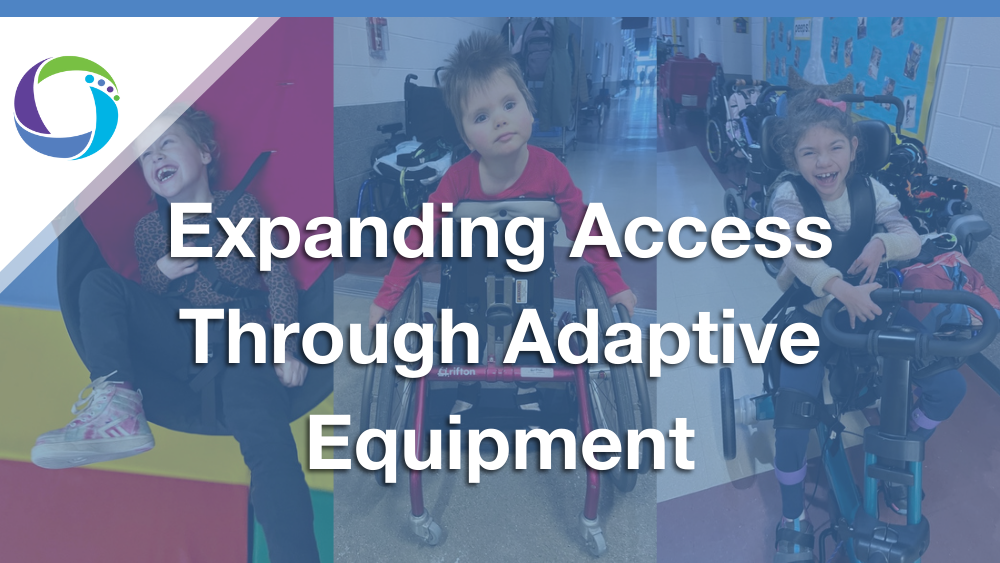
Movement is essential to health, learning, and overall well-being — especially for students with significant physical disabilities. At Livingston ESA, adaptive physical therapy equipment plays a vital role in helping students who have limited or no ability to walk take part in meaningful physical activity, engage in their learning environment, and build greater independence.
Adaptive equipment — also known as assistive devices — supports individuals with disabilities in accessing their environment and participating more fully in daily life. At LESA’s Pathway School, this equipment is foundational to how students experience their school day.
Tegan Roobol, Doctor of Physical Therapy, has worked at Livingston ESA for thirteen years. Her passion for working with children, staying active, and making a difference led her to a career in pediatric physical therapy.
“Many of our students at Pathway don’t have the physical skills necessary to do things we take for granted, such as sitting, standing, and walking,” Roobol explains. “Having adaptive equipment allows them to access their environment and curriculum in positions that are ideal for learning.”
When students are properly supported, they can focus more on learning, interacting with peers, and using their communication devices rather than trying to hold themselves upright.
One example of this support is Pathway’s adaptive tricycle from Rifton, which includes features such as a pelvic harness, leg straps, adjustable seat height, and variable resistance. For many students, this type of equipment provides rare opportunities for independent movement.
“Being able to pedal a bike on their own and steer where they want to go is incredibly freeing — and it gives them a tremendous sense of accomplishment,” Roobol shares.
Adaptive movement opportunities also support emotional well-being, focus, and inclusion. When students can move or stand at eye level with peers, it strengthens social connection and confidence. Opportunities like riding a bike alongside classmates are especially meaningful for students who often have limited access to recreational activities.
LESA ensures students have access to necessary equipment through purchases, donations, and personalized fittings. Many students are assigned equipment specifically adjusted for them, allowing for seamless participation throughout the day.
In addition to adaptive bikes, Pathway uses walking supports (gait trainers), overhead harness systems like HOPSA, and mobile standers to support mobility and motor development.
These supports allow students to be more comfortable, more engaged, and more independent throughout their school day.